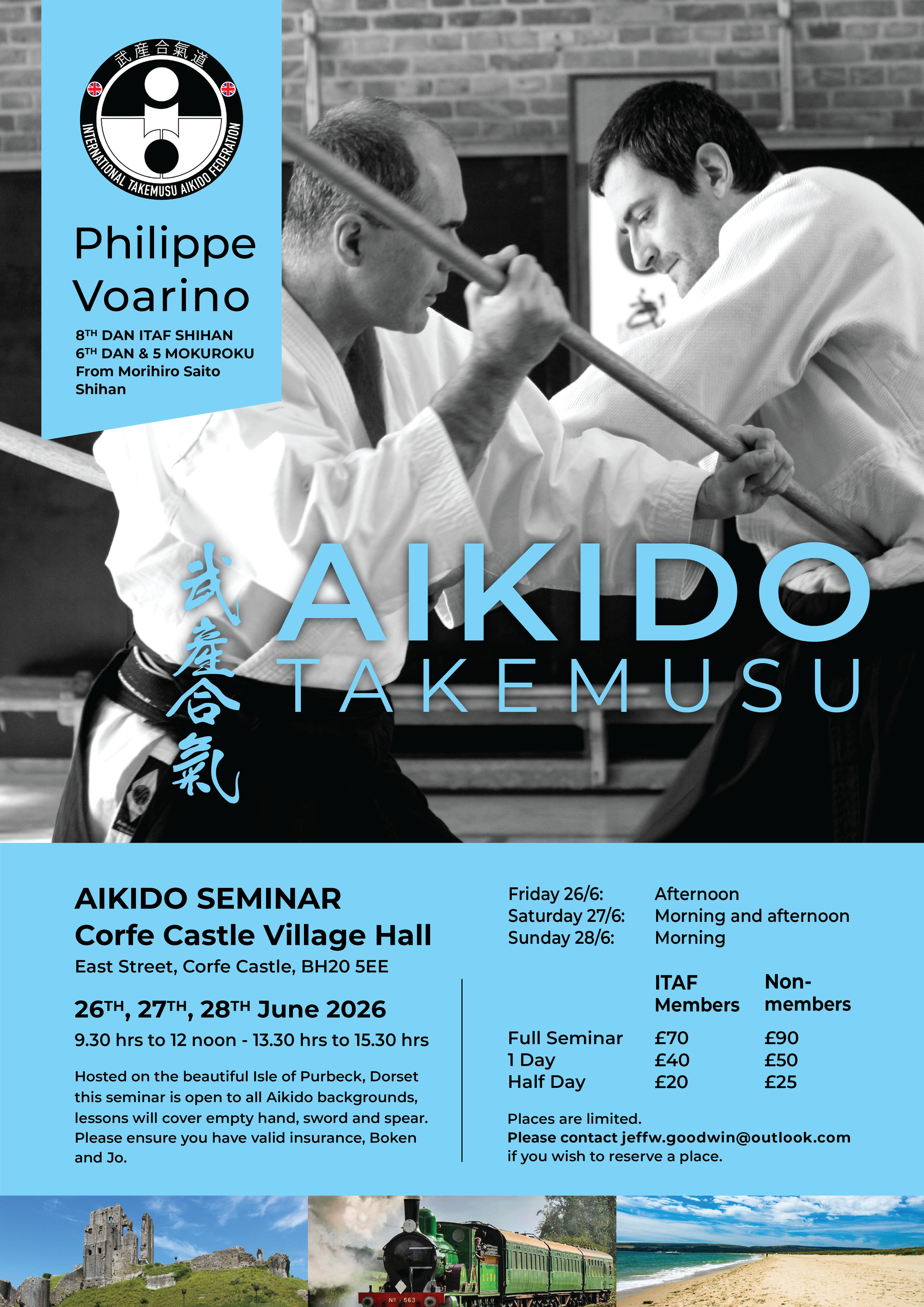
Corfe Castle 26, 27, 28 June 2026
O Sensei Morihei Ueshiba wrote in his book Budō, : ‘The true master of the sword is he who wears a smile’.

Philippe Voarino studied at the dojo of the Founder of Aikido, in Iwama. Master Saito passed on his method to him, encouraging him to discover, beyond this teaching tool, the true art of O Sensei.
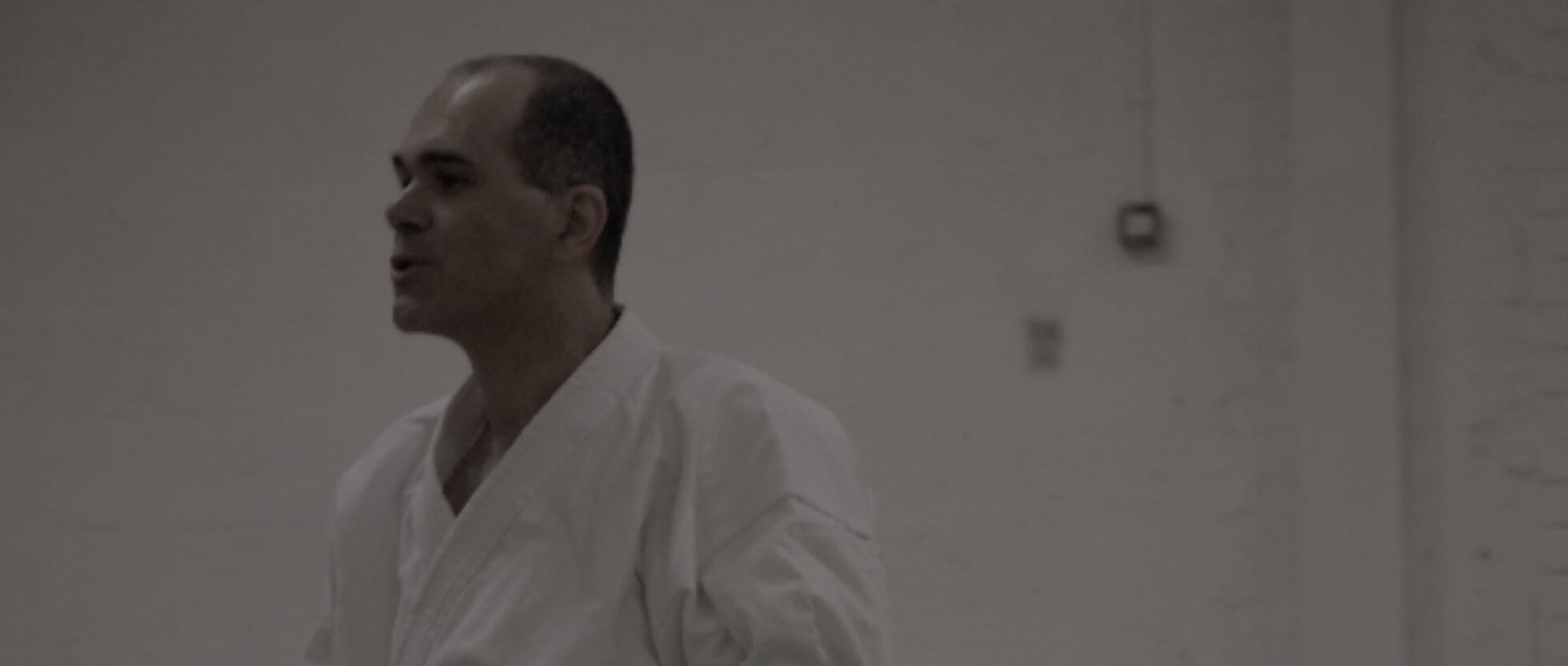
O Sensei Morihei Ueshiba wrote in his book Budō, : ‘The true master of the sword is he who wears a smile’.
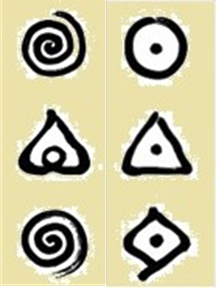
Aiki demonstrates the mysterious workings of the soul of sounds (kototama) – キ其業ハ言魂ノ妙用ラ示 – O Sensei Morihei Ueshiba – Budō
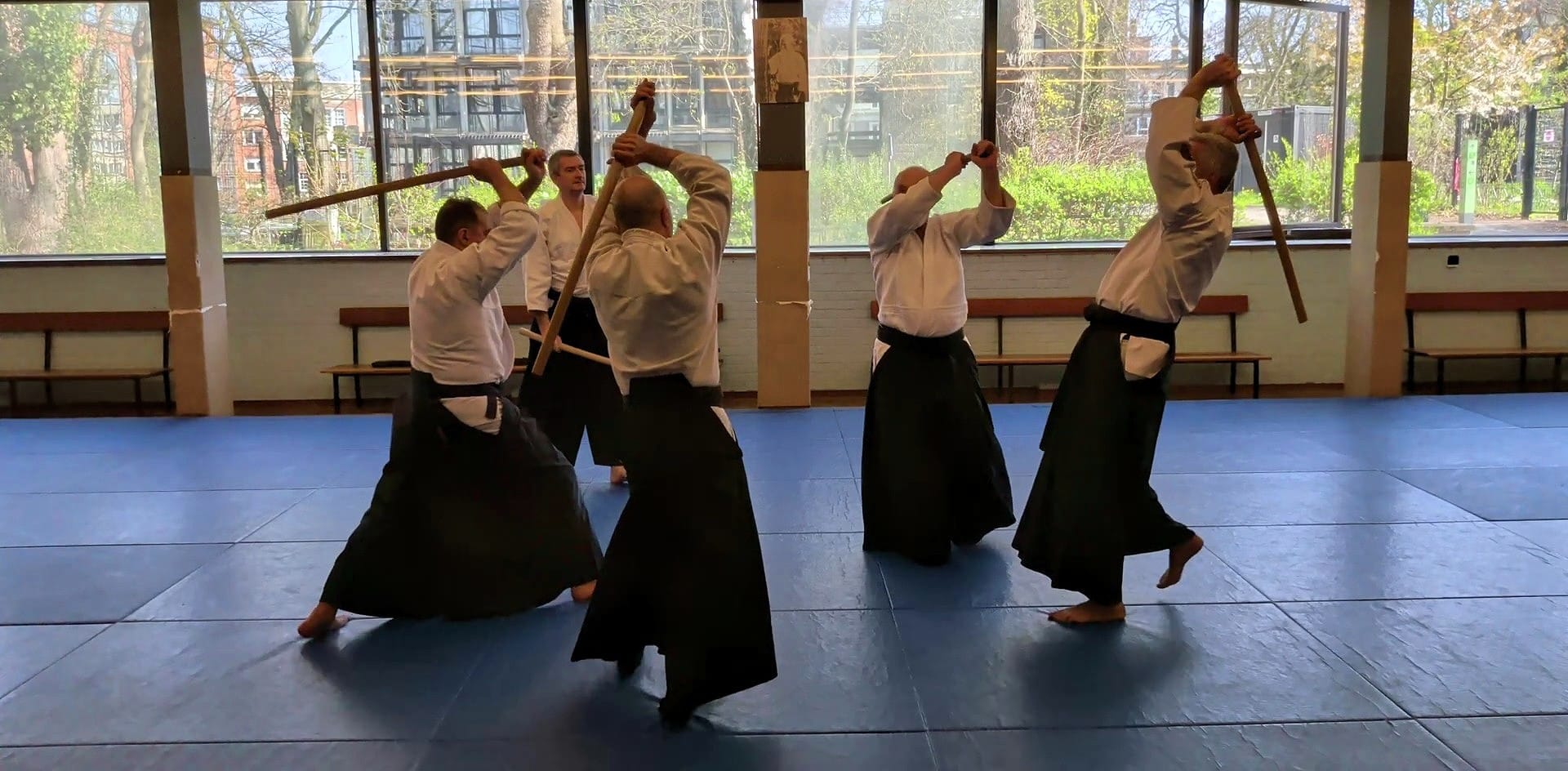
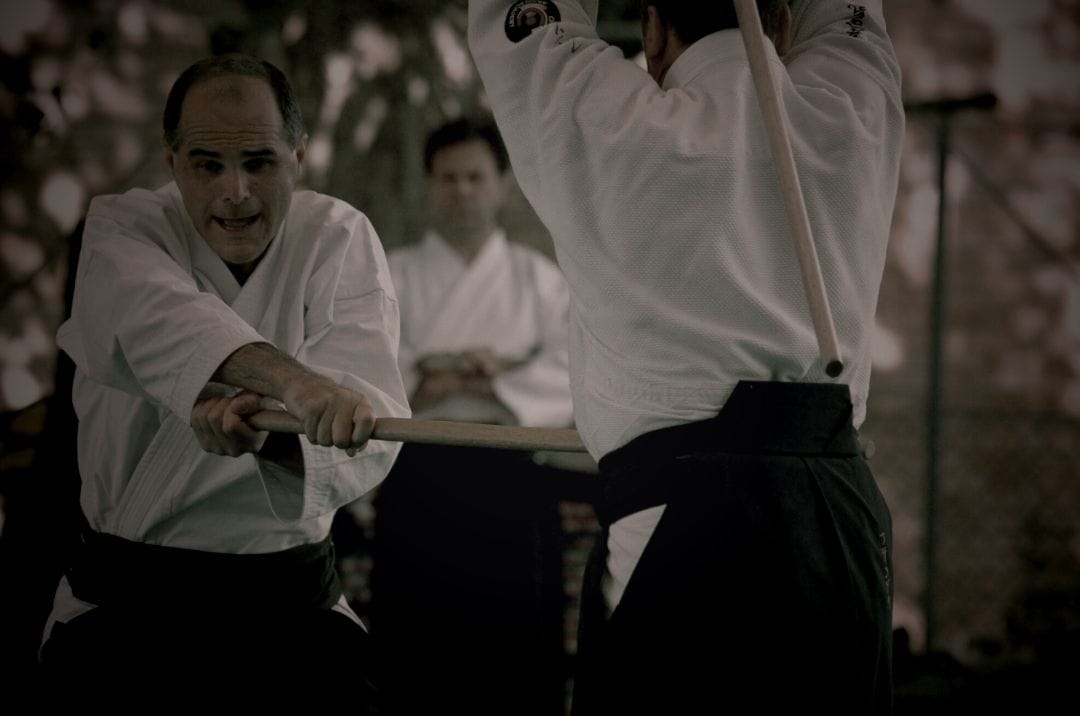
The ken linear study exercise was designed by Morihiro Saito so that it could be broken down into different directions without altering the initial technical sequence in any way.
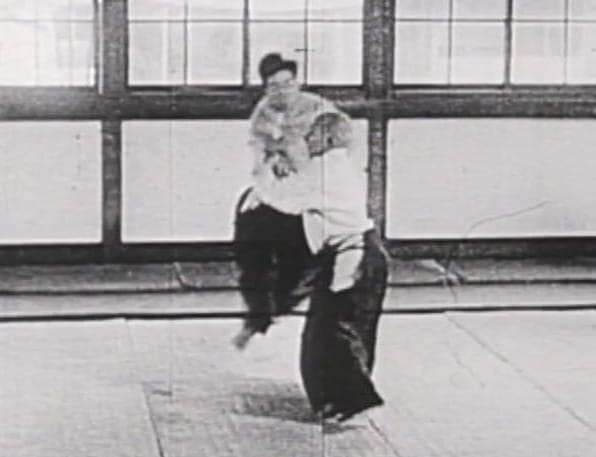
Point 18 of Budō reveals a major arcane of Aikido: the manifestation of Aiki is related to the ten-chi vertical action.
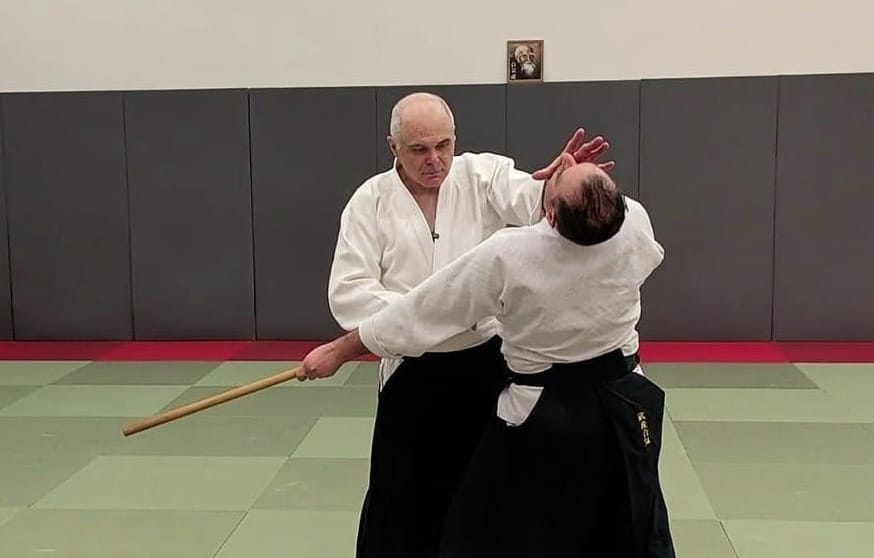
In Aikido, one moves up and down along a vertical axis, regardless of the technique.
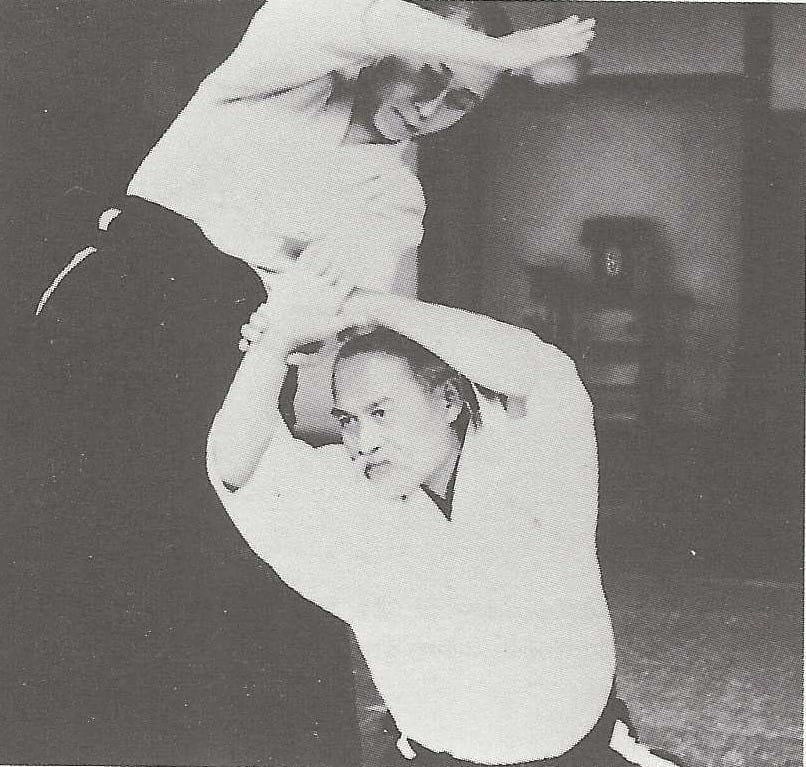
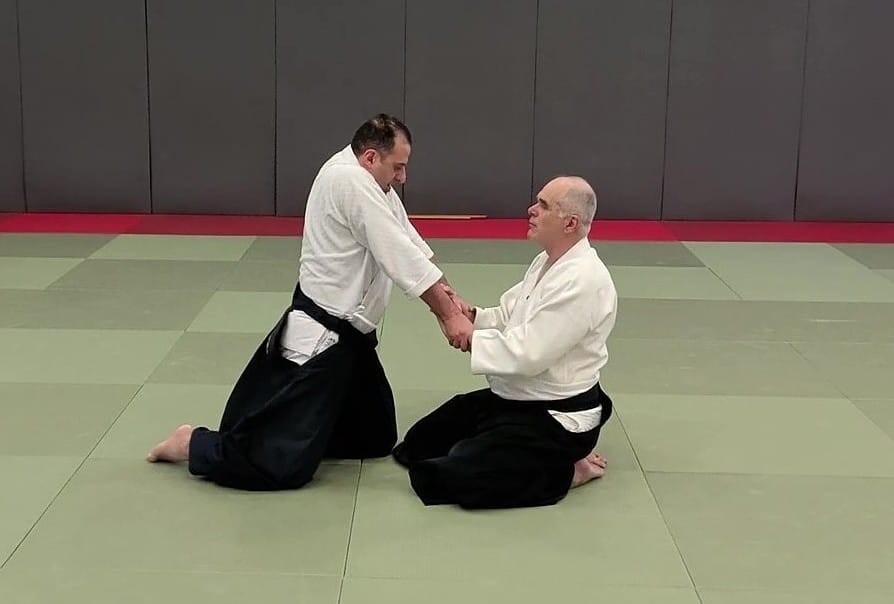
The action that raises uke towards the sky in the shiho nage movement, by blocking the three joints of his arm on a vertical axis for a fraction of a second, is the application of the ten-chi principle.