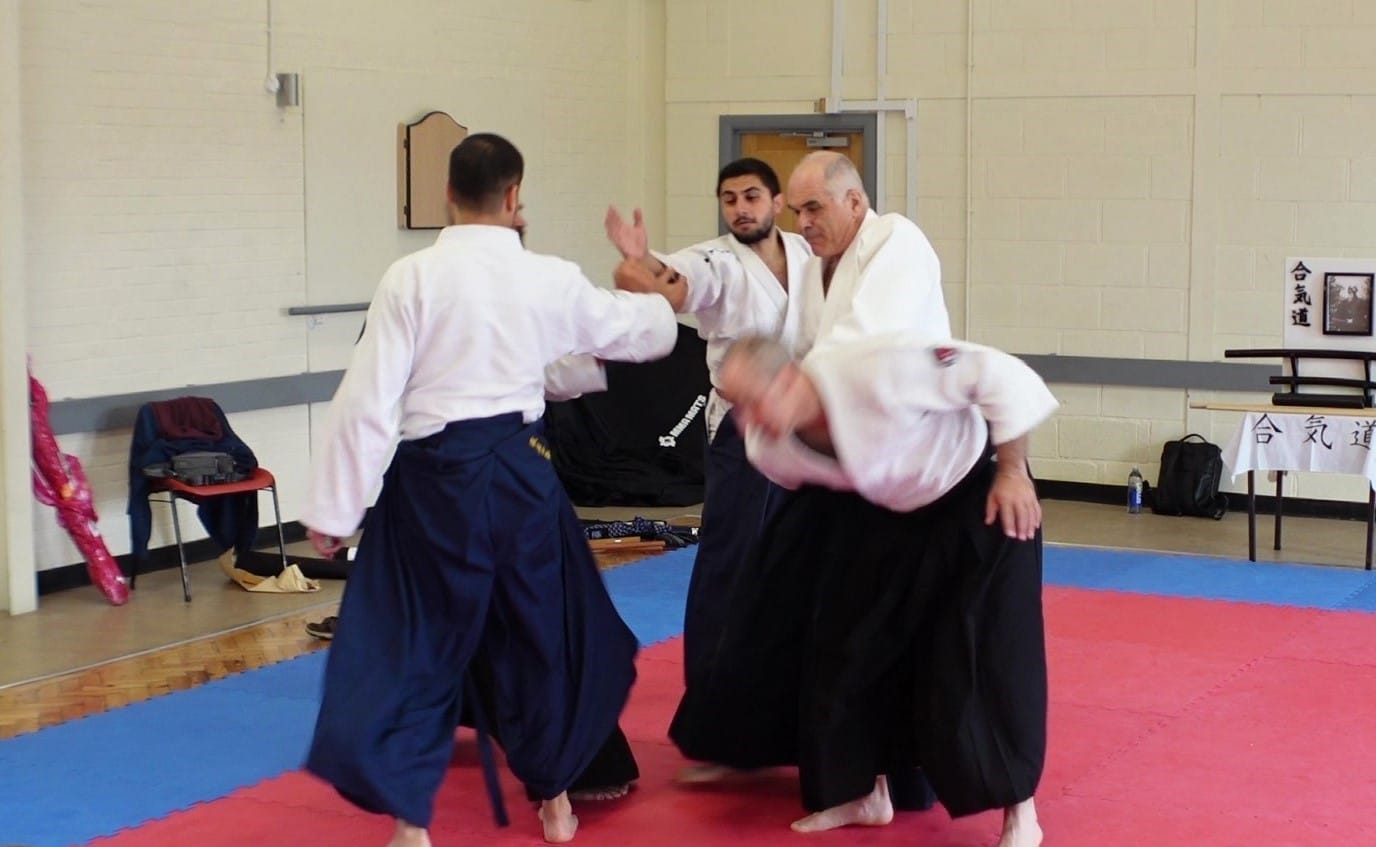
270° pivot
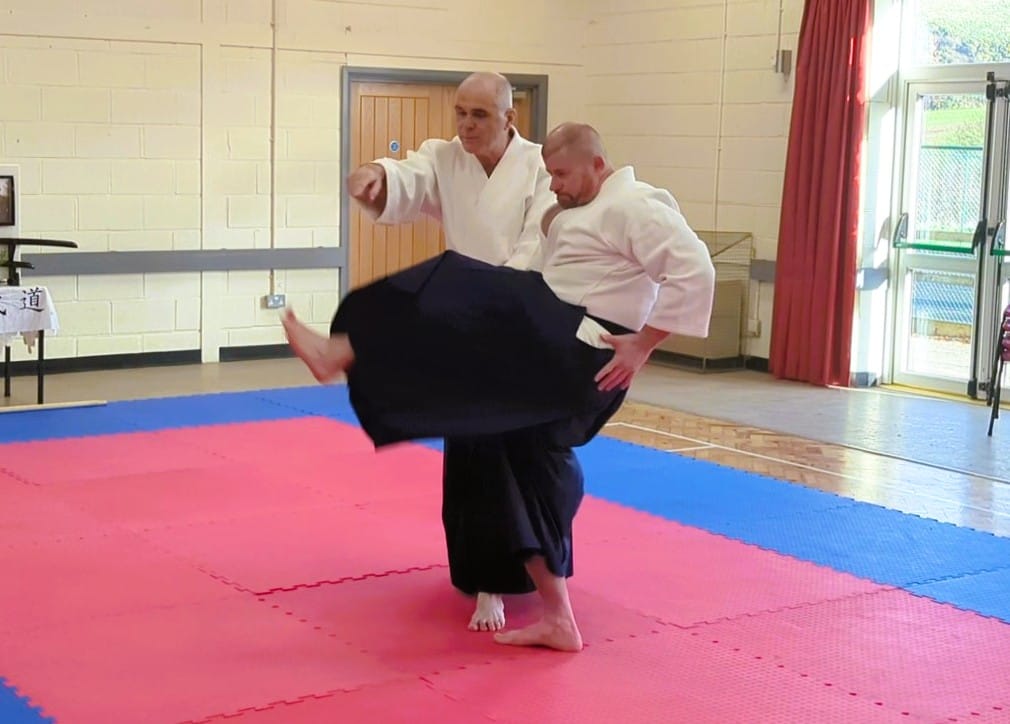
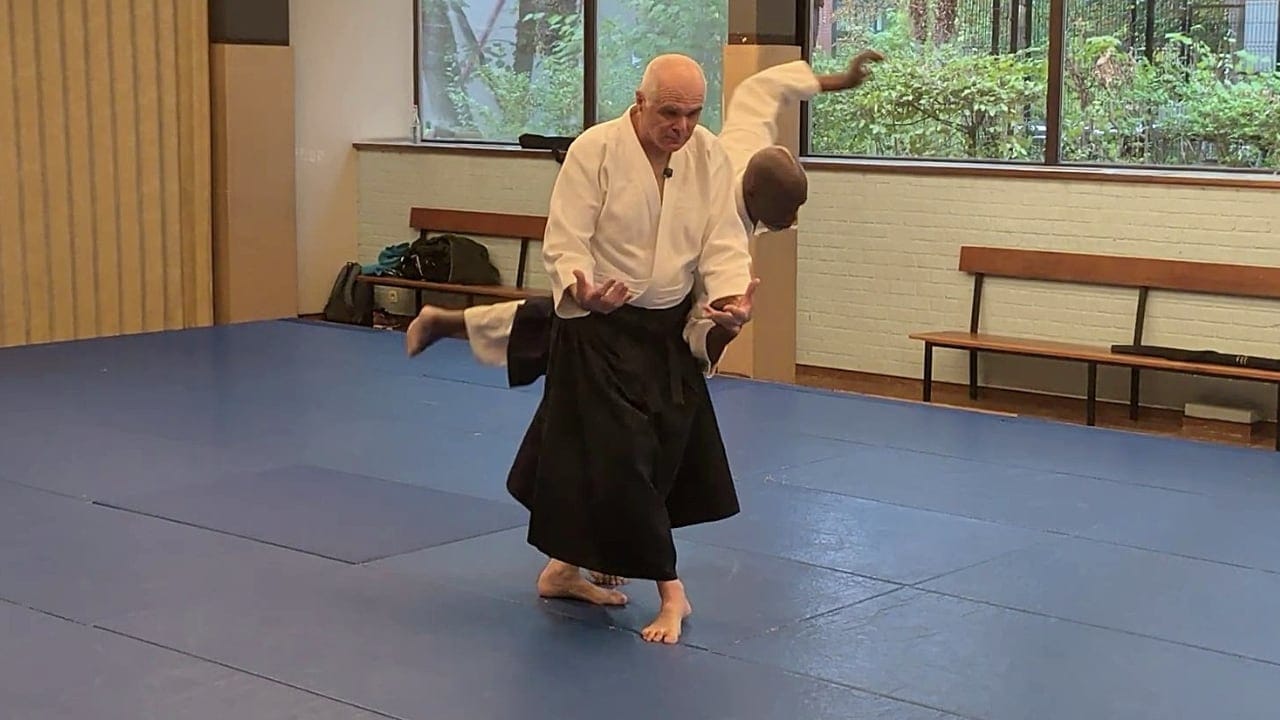
Tai no henka is not a 180° backward rotation around uke by means of a large step. Tai no henka is a 270° pivot without any step. The step comes afterwards, as an effect of tai no henka, as the consequence of the pivot.

Tai no henka is not a 180° backward rotation around uke by means of a large step. Tai no henka is a 270° pivot without any step. The step comes afterwards, as an effect of tai no henka, as the consequence of the pivot.
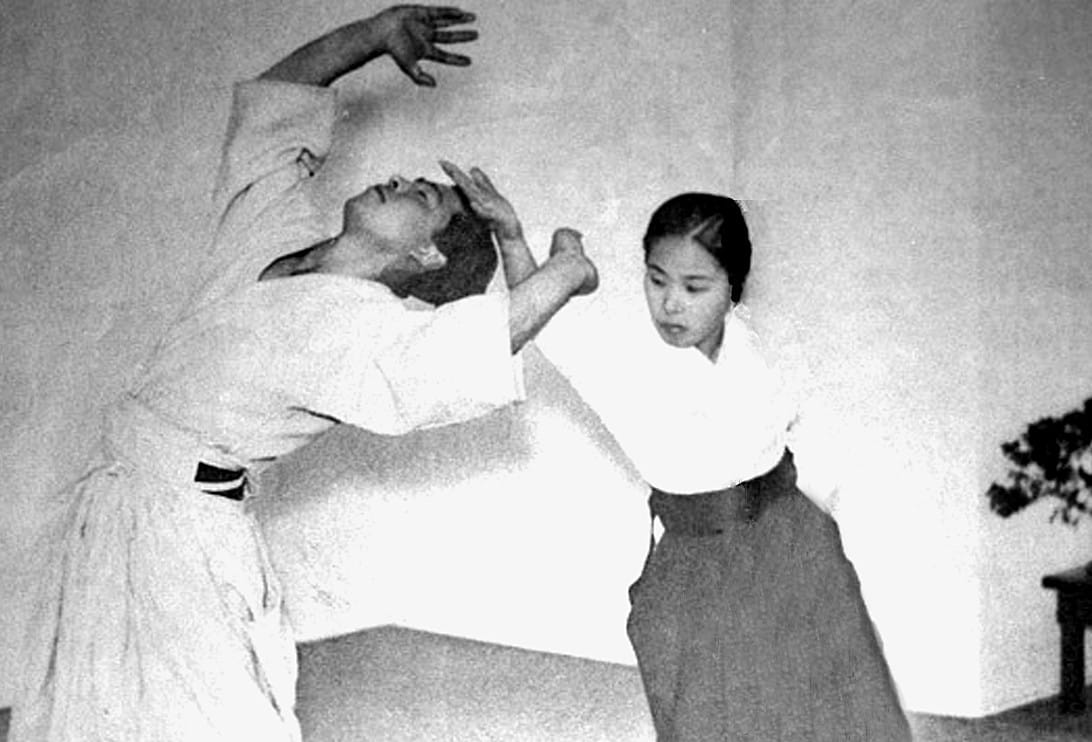
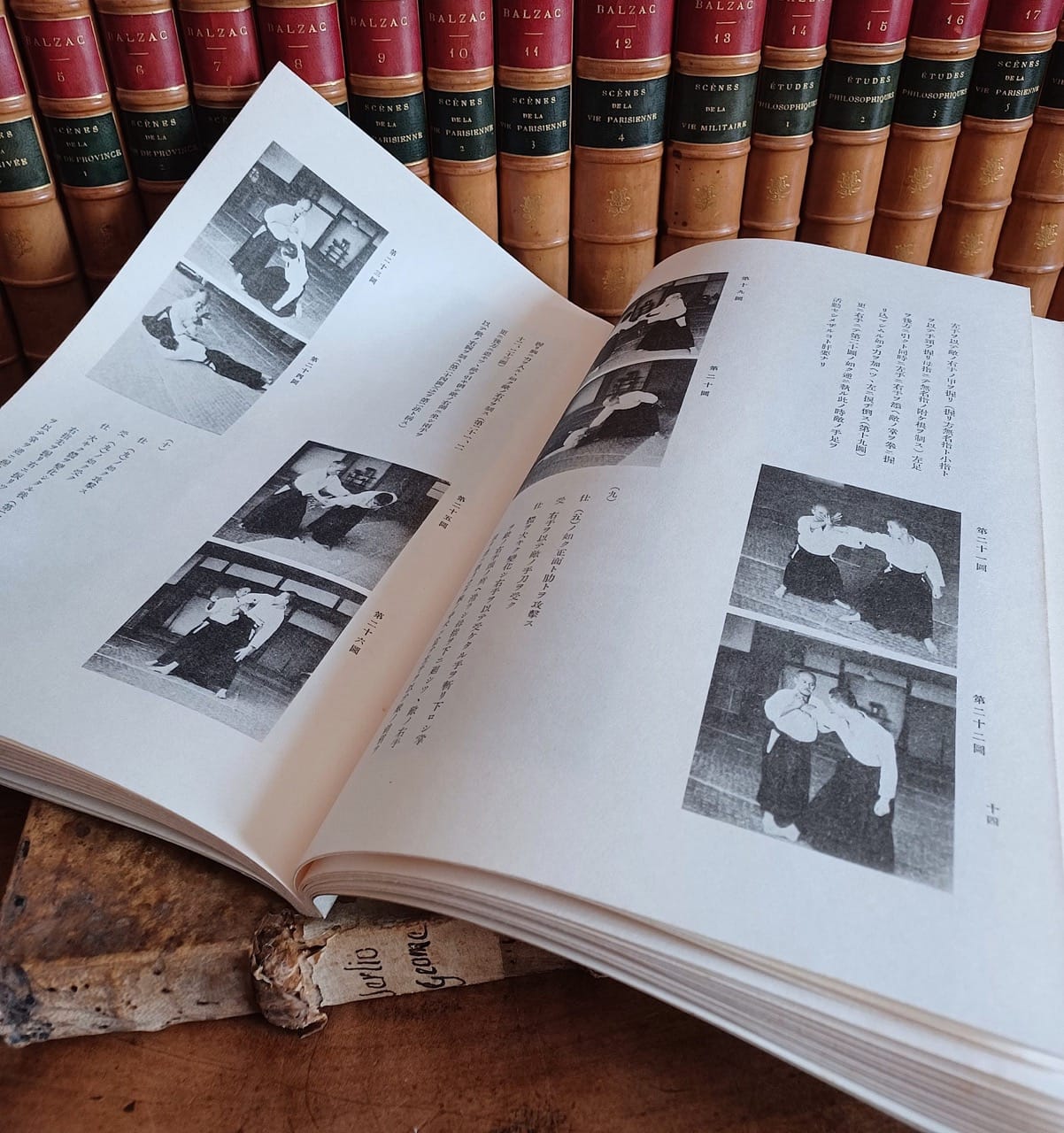
Budō was written in 1938, at the end of an exceptional decade for Aikido, which decided its future. This was the golden age of the Kobukan, the dojo in Ushigome, Tokyo. The entire future development of Aikido was shaped there, in the decade leading up to the war.
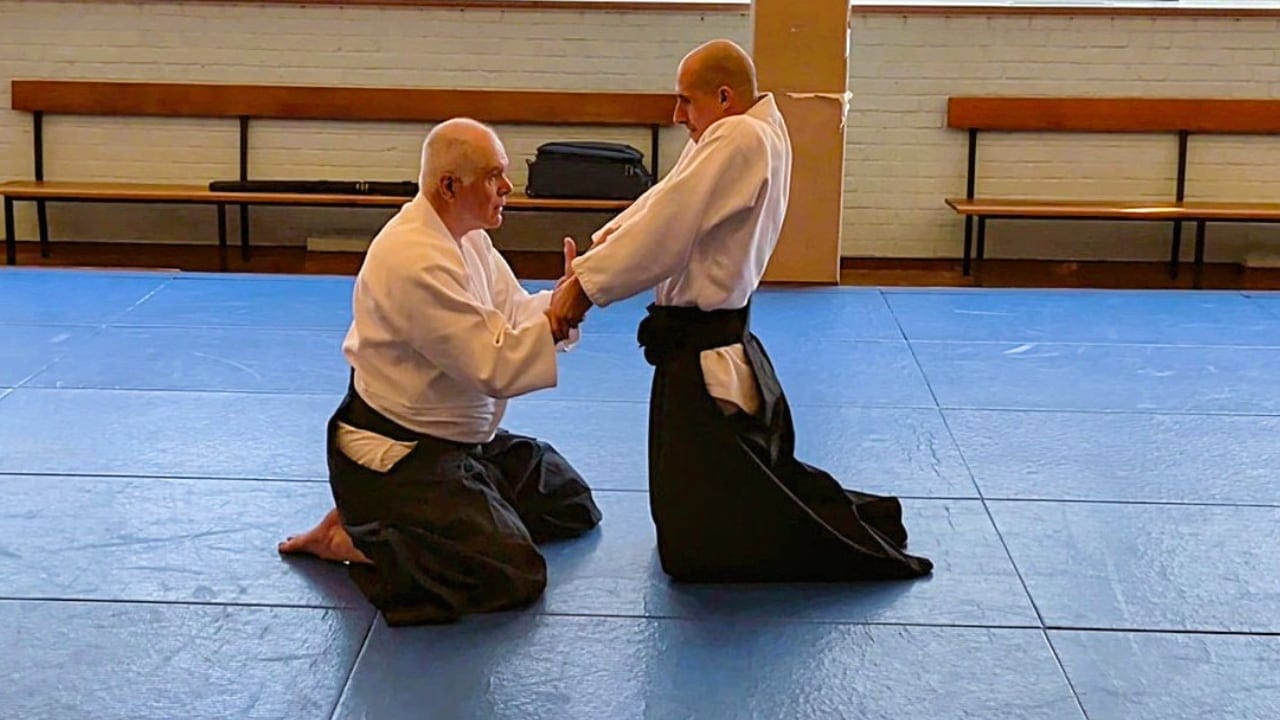
Suwari waza kokyu ho is an exercise well known to all Aikido practitioners. It is often misunderstood. Like any Aiki movement, it must respect the vertical axis.
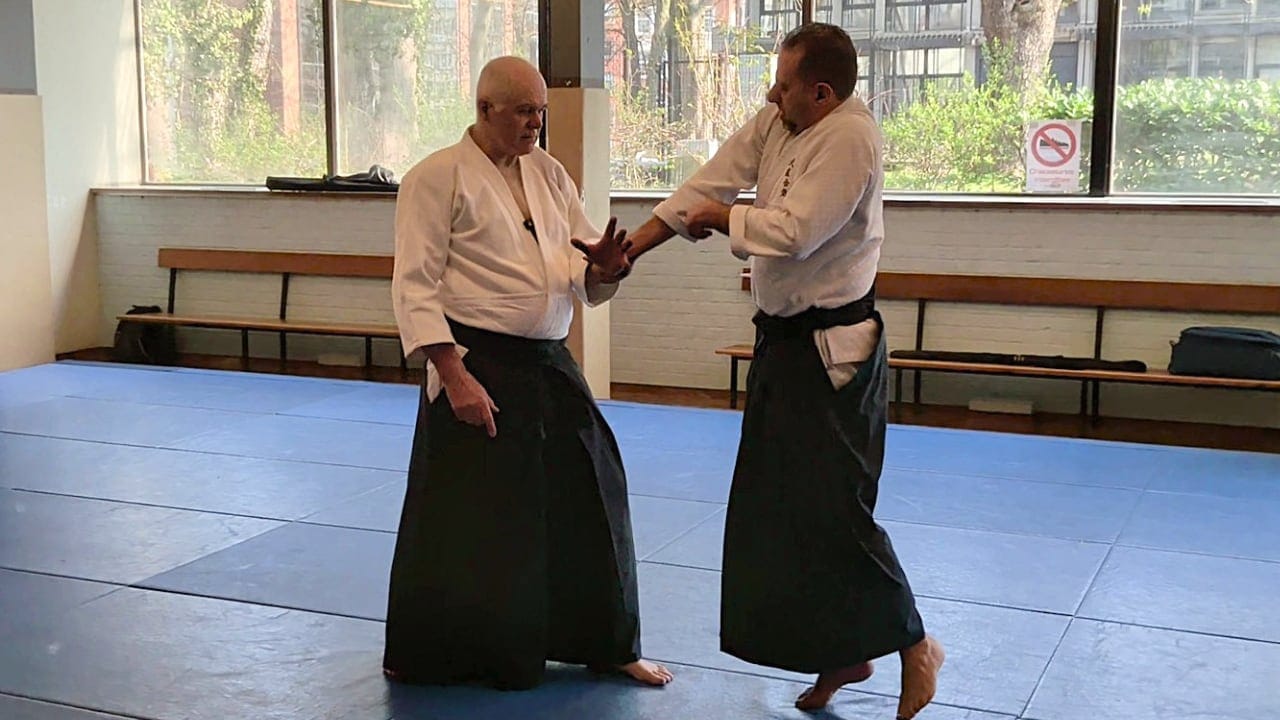
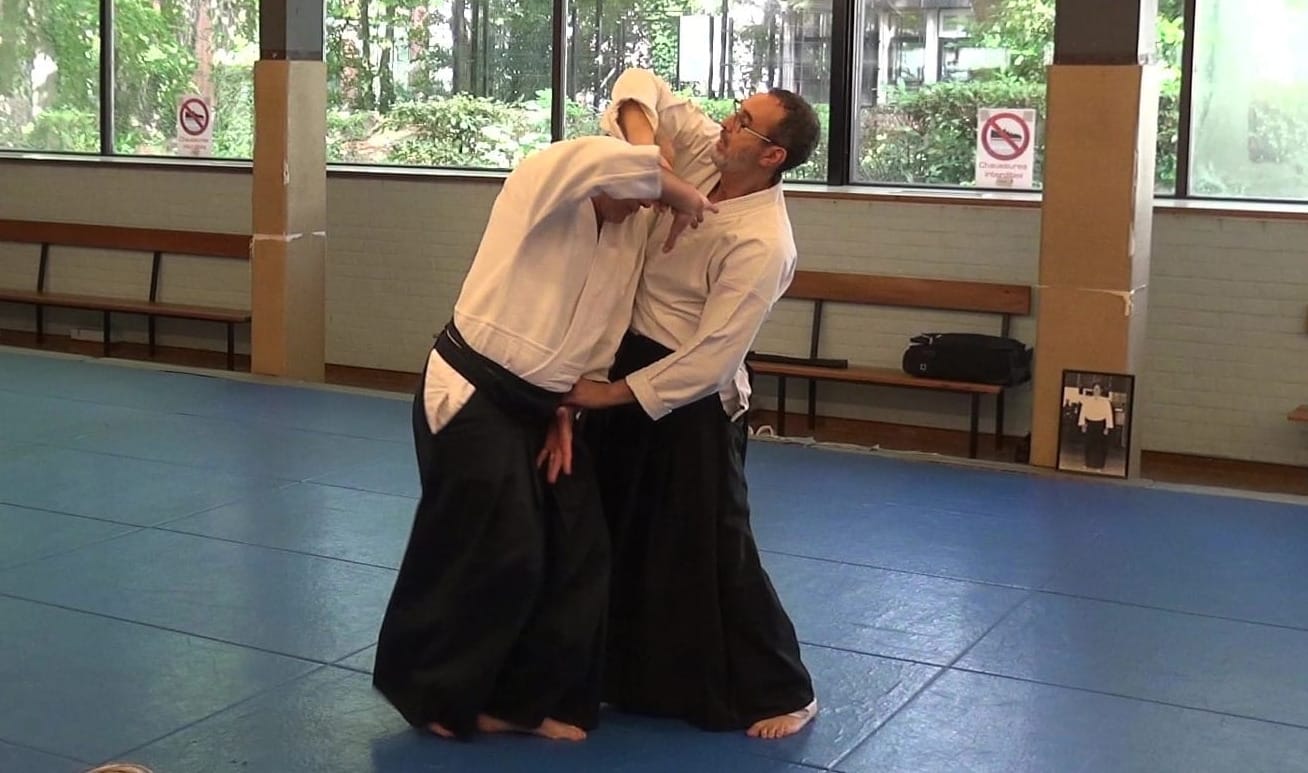
In the shiho nage technique, uke is kept off-balance towards the rear from the start to the end of the movement; at no point is he pulled forwards. This is the teaching given by O Sensei in Budō, with the utmost care and precision.
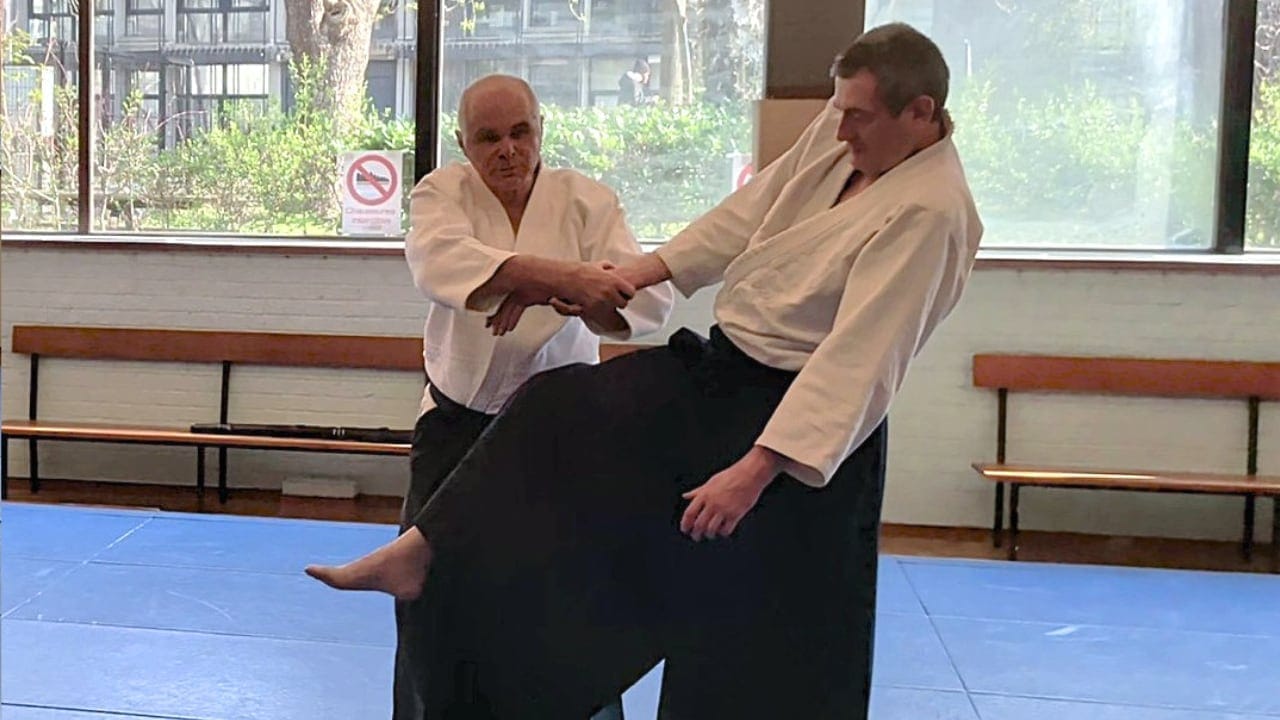
In Budō, O Sensei provides a particularly precise description of shiho nage, which states that the energy must be developed vertically, and which does not correspond to the way the technique is practised in the method.
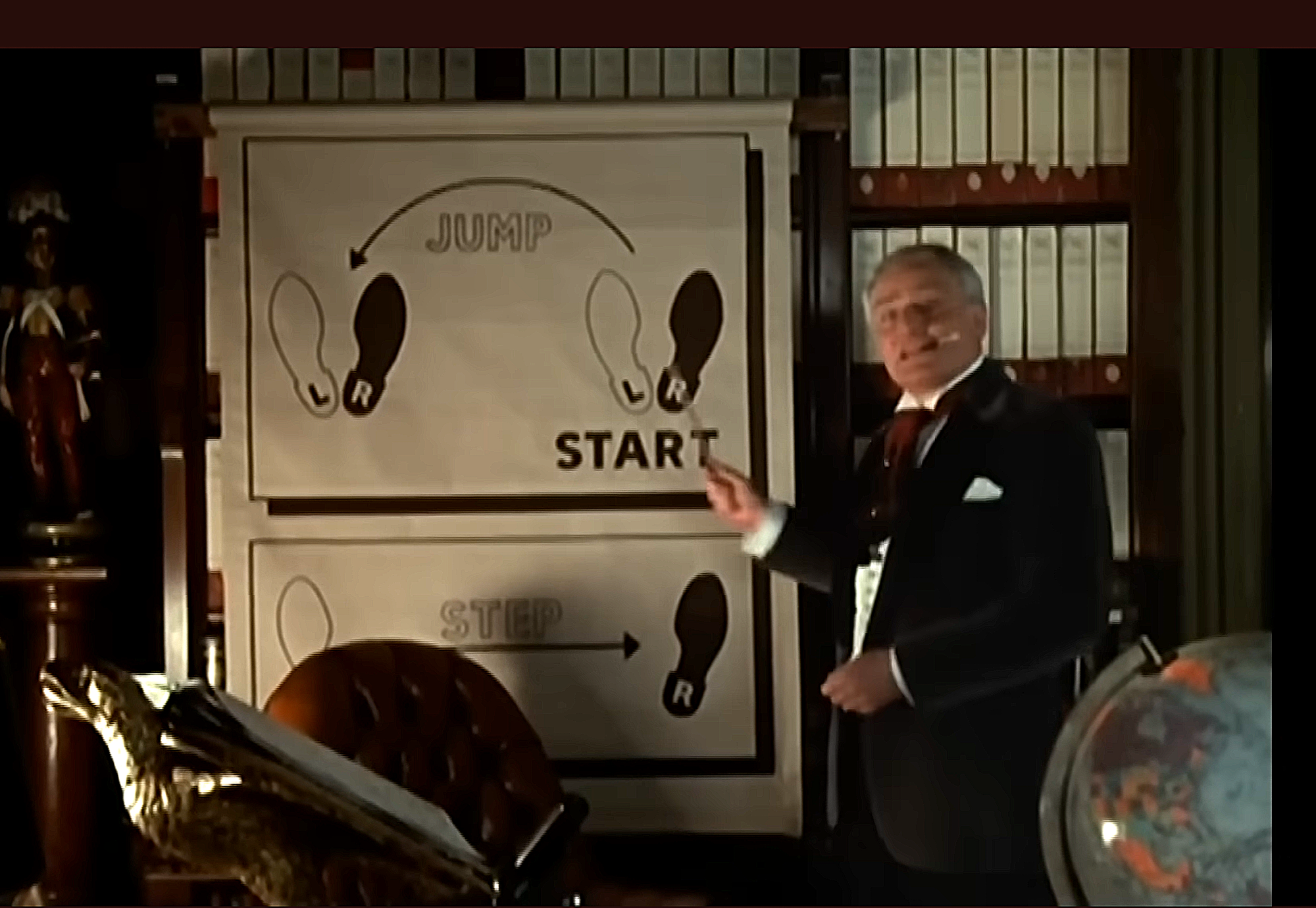
The modern drift in Aikido is so great that it is impossible to rediscover the Founder’s authentic practice without resorting to a time warp. The book Budō, published by O Sensei in 1938, represents this time warp, which is why it is so precious.
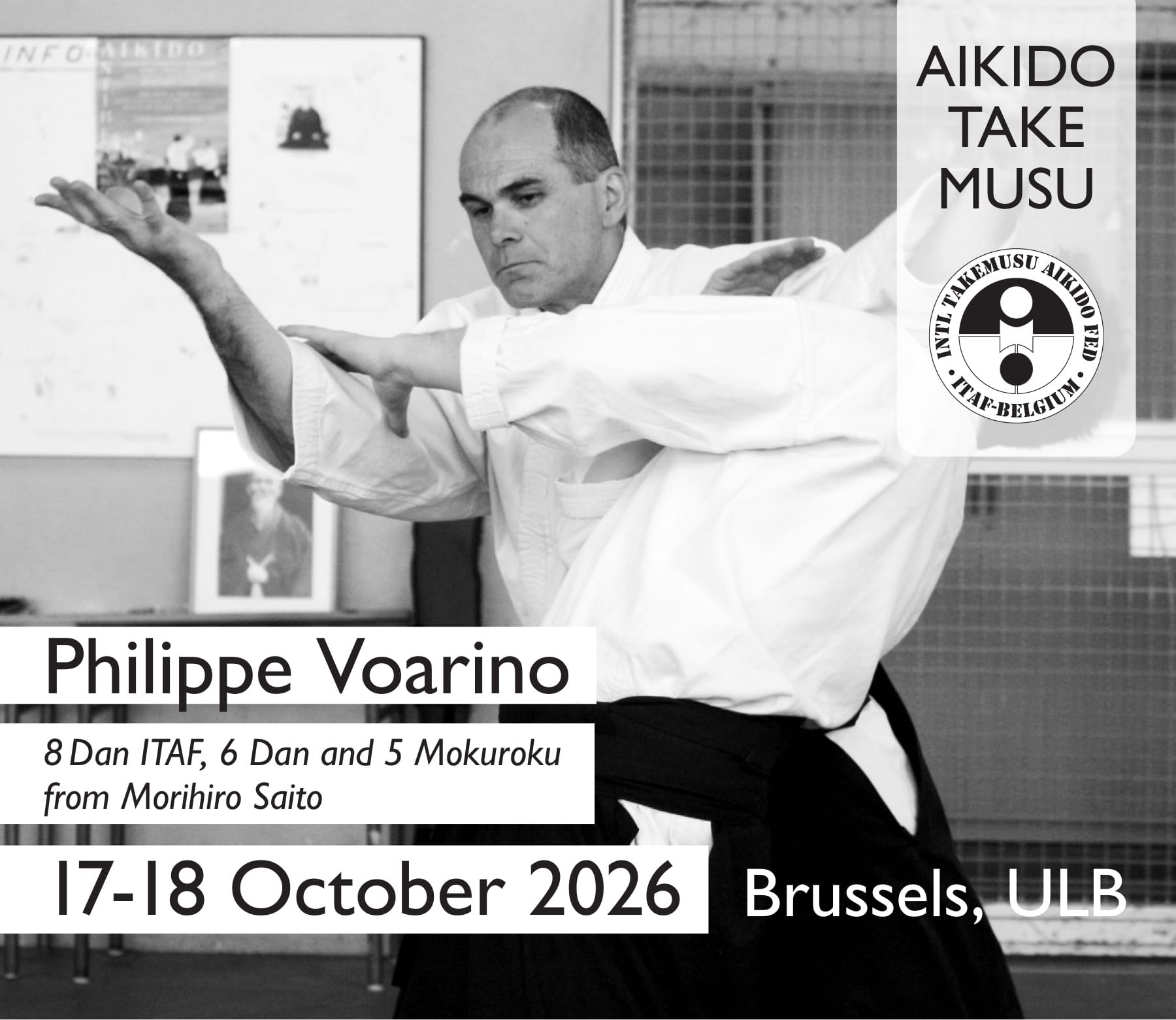
For the first time, will be provided a concrete explanation of the metaphysical roots of Aikido, which holds that an infinite number of situations can be addressed through a single principle. This practice is the only one that enables the recognition of unity within the multiplicity of forms.