Chapter III - The kajos in Budō #1
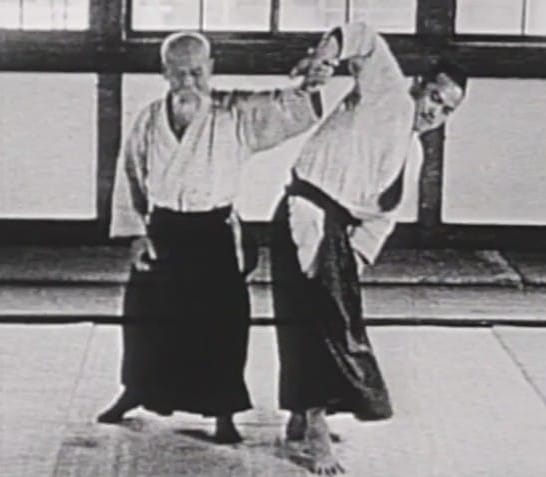
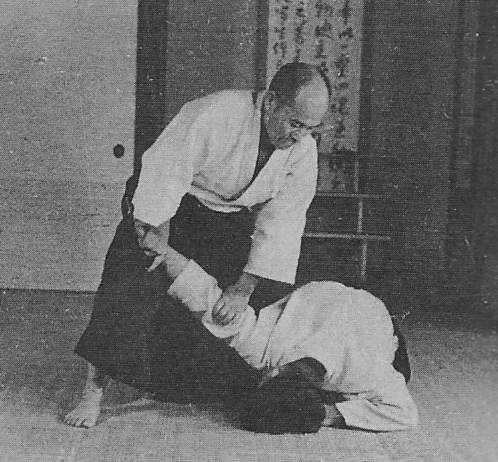
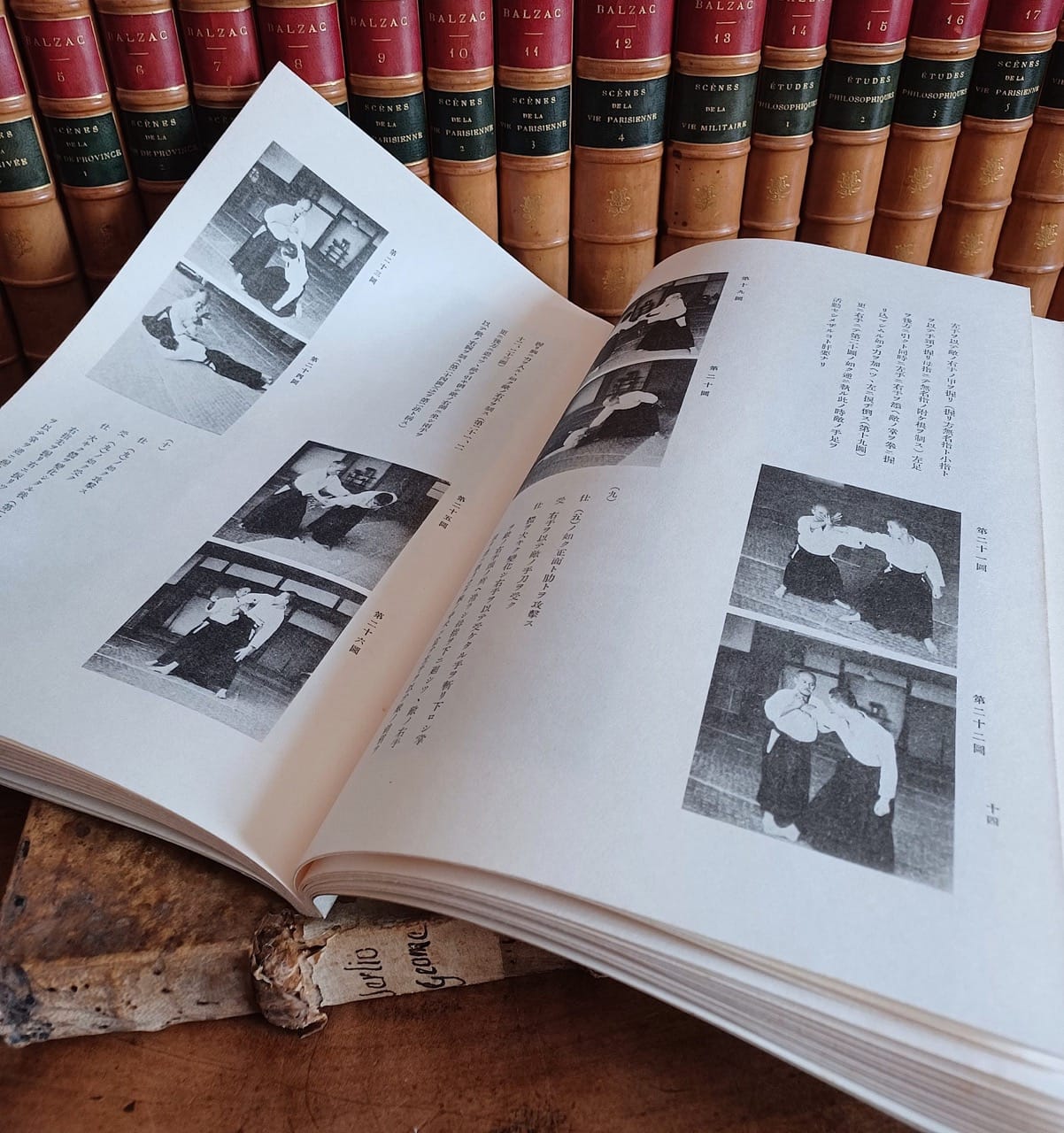
Aiki-do is a method of controlling a person using his arm. Ikkyo is at the beginning of Budō as the form that best illustrates this method.
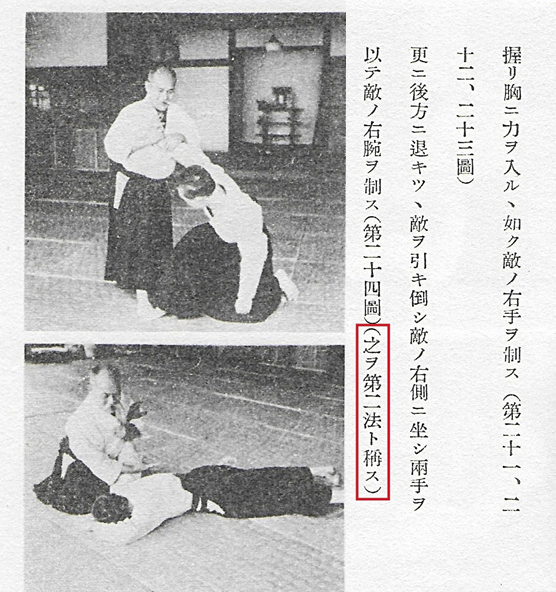
There are four kajos because there are four possible combinations of the three joints in the human arm. There are no more than that, which is why O Sensei speaks of only four Laws in Budō.
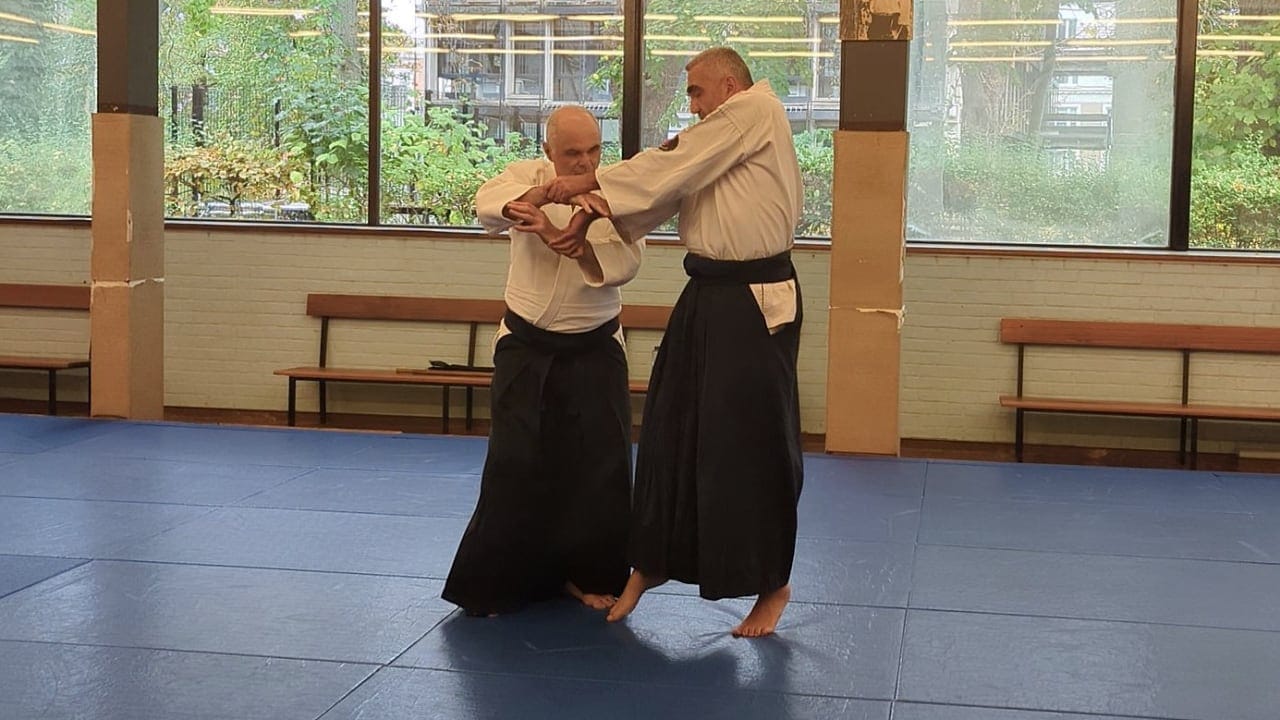
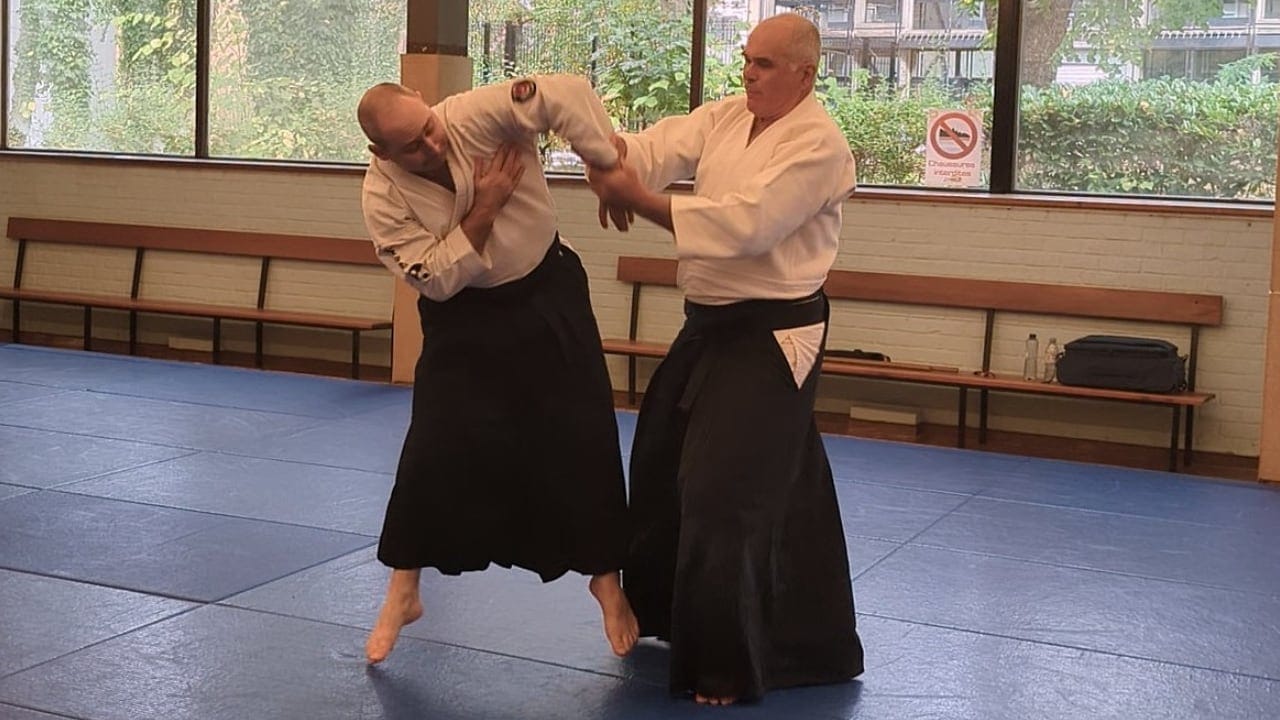
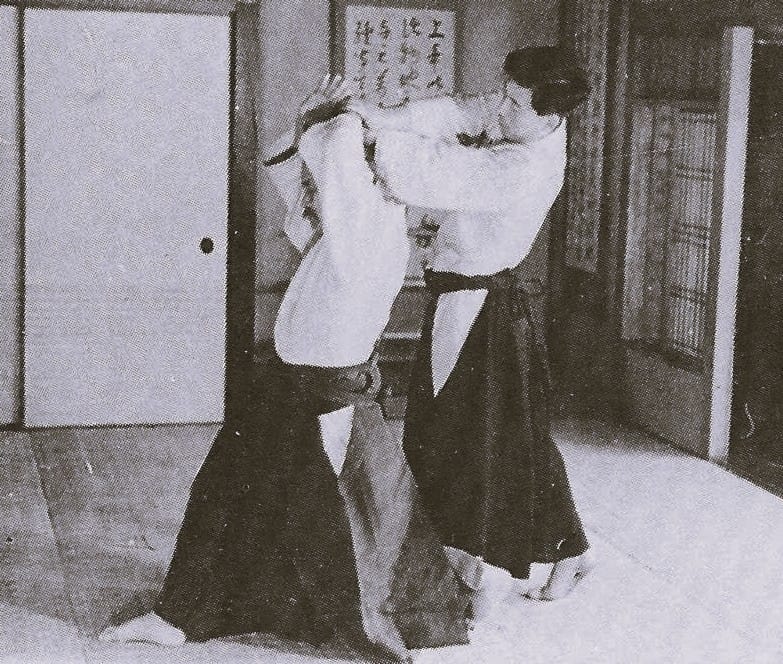
From the moment of the grab, uke tachi's right forearm passes under uchi tachi's left forearm and lifts him off the ground by projecting ki towards the sky
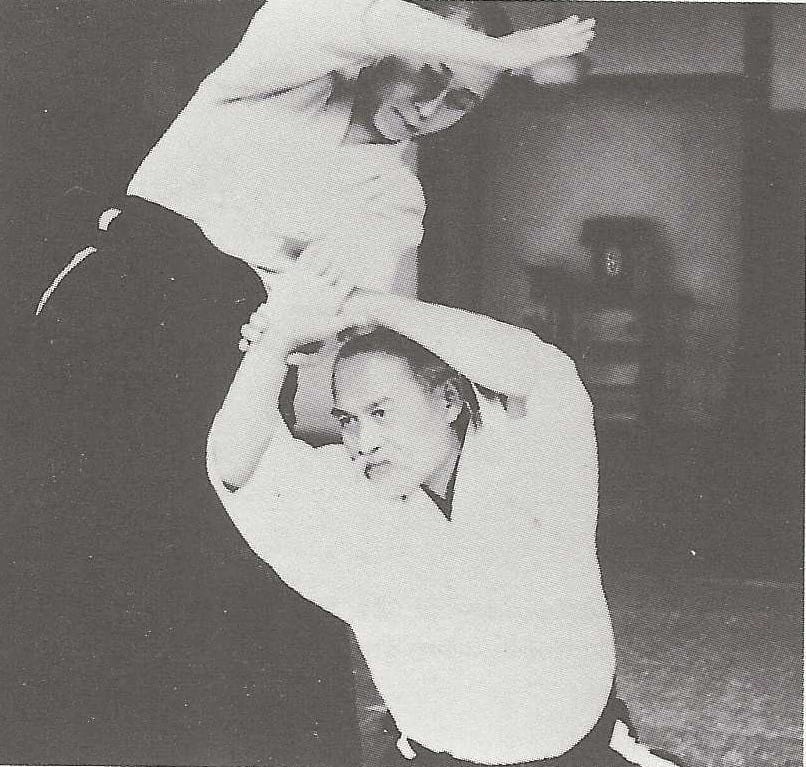
Yonkajo is the family that includes all techniques that act simultaneously on both the elbow and shoulder joints. Two movements form the core of this technique: yonkyo and tenchi nage.
The kajos are laws defining the links that bind the Aikido techniques together. These laws relate to the locking of the joints of the human arm.
In order to throw uchi tachi, uke tachi must first make him lighter, make him float on his supports.